- June 24, 2026
- Traci Campbell
Summary
If you cannot sleep even after trying everything, the issue is usually not just “sleep”. It is often your mind, stress levels, emotions, or habits working against you – creating a disrupted sleep cycle that no quick fix can solve. This may be due to anxiety, a stressed nervous system, unresolved emotions, poor sleep patterns, and over-reliance on quick fixes. This blog shares the common causes of insomnia so you can understand what is actually keeping you awake.
Intro – You are Exhausted, But Sleep Won’t Come. Why?
“I am exhausted. But the second my head hits the pillow, my thoughts take over.”
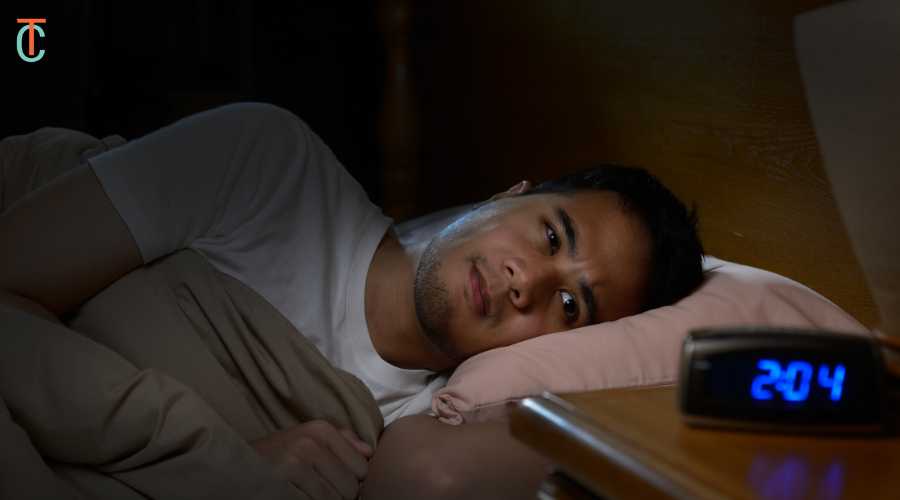
If this feels like you, many others experience the same. Millions of Americans go to bed tired every night and still cannot fall asleep, or they wake up at 2 AM and stare at the ceiling for hours. You have likely tried the standard advice – no caffeine after noon, a dark room, chamomile tea, and zero blue light, yet your mind remains a beehive of activity. This is one of the most disturbing parts of insomnia symptoms. Your body is ready to rest, but your mind has other plans.
Many people who say, “I have trouble staying asleep”, are already doing everything right on the surface. But sleep does not depend only on effort. It depends on whether your mind and body are ready to rest.
This blog explains the hidden causes of insomnia and why they keep you stuck.
What Is Insomnia, Really? When Is It a Problem?
Insomnia is when you have difficulty falling asleep, wake up through the night, or rise feeling just as drained as when you went to bed – even after a full night. It is more than just one bad night of sleep. It is a pattern – and it becomes a clinical problem when it disrupts your daily life.
Now, this becomes a real problem when:
- It happens regularly (3+ nights a week).
- It starts affecting your mood, focus, or daily life.
- It lasts for weeks or months.
These patterns are often linked with the common symptoms of insomnia, such as:
- Lying awake for long periods.
- Waking up frequently during the night.
- Feeling tired even after sleeping.
- Difficulty focusing during the day.
Insomnia is not a sleep problem. It is a mind and body problem that shows up at night.
What is Actually Keeping You Awake? (Top 5 Causes of Insomnia)
Insomnia rarely has one cause. Most of the time, it is a mix of your thoughts, emotions, and habits – all feeding into each other.
Here are five common causes of insomnia that people often overlook:
I. Your Mind Will Not Switch Off ( Anxiety and Overthinking)
This is a very common cause of insomnia linked to anxiety. The moment you get into bed, your mind starts replaying the day, rehearsing tomorrow, or spiraling into worst-case thinking.
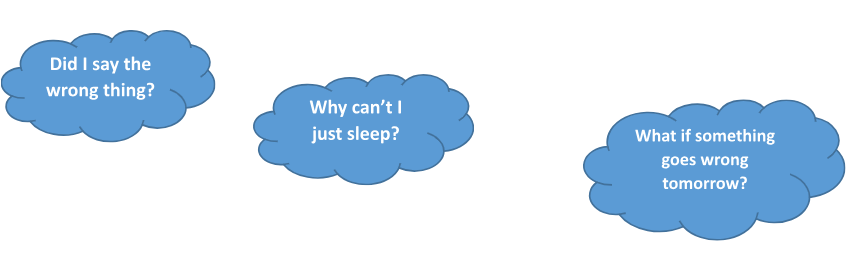
This loop keeps your brain active, even when your body is tired.
II. Your Body Is Stuck in Stress Mode
Even if you do not feel stressed, your body might still be.
Your sleep hormone stays off balance, your heart never fully settles, and your brain never gets the signal that it is okay to rest. Chronic stress keeps your nervous system alert. This means your body is not ready for sleep, even at night.
Signs include:
- Tight muscles or shallow breathing.
- Feeling restless in bed.
- Waking up suddenly during the night.
This is a powerful cause of insomnia that many people miss.
III. Unprocessed Emotions (Grief, Trauma, Burnout)
Sometimes, what you avoid during the day shows up at night.
Insomnia is not just about stress – it goes deeper than that. Emotions that have not been dealt with do not just vanish. They often show up when everything gets quiet at night.
- Old memories.
- Emotional pain.
- Mental exhaustion from burnout.
Many people never connect their sleeplessness to old pain or emotional weight. What the mind tries to leave behind, the body continues to carry.
This is why sleep issues are common during life changes or difficult phases. Emotional load is a real cause of insomnia, not just a side effect.
IV. Sleep Habits That Quietly Disrupt You
Not all sleep problems are obvious. Some come from small daily patterns.
Small habits, like working in bed or waking up at different times every day, can ruin your rest. Some other habits that affect sleep are using your phone late at night, lying in bed awake for long periods, and watching TV to wind down. Over time, these habits can create a disrupted sleep cycle, making it harder for your body to recognize when it is time to rest.
Eventually, your brain starts to see the bedroom as a place to be awake and alert, not a place to rest. It is not something wrong with your body. It is a pattern your brain has picked up over time. And the good part is – you can unlearn it.
V. Too Many Sleep Fixes
Here is the irony – the more desperately you chase sleep, the further it runs.
Checking your sleep score every morning, taking more melatonin, trying every supplement you have heard of, lying there wondering why I am still awake. All of this creates more anxiety around sleep, not less.
This pressure builds anxiety around sleep itself, which becomes another cause of insomnia.
Why It Feels Like Nothing Is Working Anymore
You do not have a sleep problem. Your body is still in alert mode. That is why nothing seems to work.
When you do not know the real problem, every new fix can feel frustrating.
If you have tried everything and nothing works, the problem is usually not effort. It is direction.
- You try harder.
- You track more.
- You worry more about not sleeping.
And this cycle keeps you awake. This is why searching for how to fix insomnia often leads to short-term relief, not long-term change.
You begin to think something is wrong with your sleep. You stop trusting your body to rest, and that feeling of hopelessness makes it even harder to fall asleep.
That is where Cognitive Behavioral Therapy for Insomnia comes in.
CBT-I is currently the most recommended treatment of chronic insomnia in adults – backed by the American Academy of Sleep Medicine and the American College of Physicians.
It is widely recommended by sleep experts as a first-line treatment for insomnia, not because it masks the problem, but because it fixes what is actually causing it. Your thoughts, your habits, your patterns – all of it.
Key Takeaway: Insomnia Is Not Just a Sleep Problem
If you are struggling with why can’t I sleep, look beyond sleep itself.
Insomnia is a message, not a flaw. Something underneath needs attention, and once you find it and fix it, sleep follows. Most people who focus on the root of the problem – and get the right help – start sleeping better in just a few weeks.
Sleep returns when your mind and body learn it is safe to slow down.
CBT-I (Cognitive Behavioral Therapy for Insomnia) is short-term, evidence-based, and works without medication. More effective than sleep medication in the long run for many people. No side effects, no dependency.
If you are still struggling with sleep, you do not have to keep figuring it out alone. Traci Campbell, LCSW, SEP, works with adults seeking Insomnia treatment in Austin, TX, and across Texas via telehealth.
If you are ready to understand what’s actually keeping you up, reaching out is a good place to start.
FAQs About Insomnia
Why do I feel tired but can’t sleep?
Your body is tired, but your mind is still alert. It usually happens when stress, anxiety, or emotional overwhelm keeps your mind switched on even when your body wants to shut down. It is common in insomnia and improves when you calm your system.
Can insomnia go away on its own?
Yes, sometimes insomnia goes away on its own, especially if it is caused by short-term stress or a change in routine. But if the cause continues, sleep problems usually stay and may need proper support to improve.
Is overthinking the main cause of insomnia?
Overthinking is common, but it comes from anxiety. Your brain stays alert even without real danger. Tackling the anxiety behind the overthinking is what actually helps.
Is overthinking the main cause of insomnia?
Overthinking is common, but it comes from anxiety. Your brain stays alert even without real danger. Tackling the anxiety behind the overthinking is what actually helps.
How long does insomnia last?
The duration varies. Acute insomnia may last a few days or weeks, while chronic insomnia is defined as lasting three months or longer. Without addressing the underlying causes of insomnia, it can persist for years.
When should I seek help for insomnia?
If it lasts over a month, affects your daily life, or you depend on sleep aids, get help. The sooner you get help, the easier it is to fix. Seeking the right treatment of chronic insomnia in adults can help you understand the real cause and improve sleep over time.



https://shorturl.fm/gTZRs
https://shorturl.fm/GHLfB